01 · HOW ONE PERFORMANCE BECAME MANY OBJECTS
The story starts before Urania—and the error may, too.
WHY THIS RECORDING? One famous performance survives through several physical copies. A speed error can belong to one of those copies rather than to the performance itself.
01 · VIENNA · 19–20 DECEMBER 1944
First came the performance—and a magnetic tape.
Tahra describes this as a Magnetofonkonzert in the Musikverein, recorded by Friedrich Schnapp. So the first surviving carrier in this story is magnetic tape, not an LP.
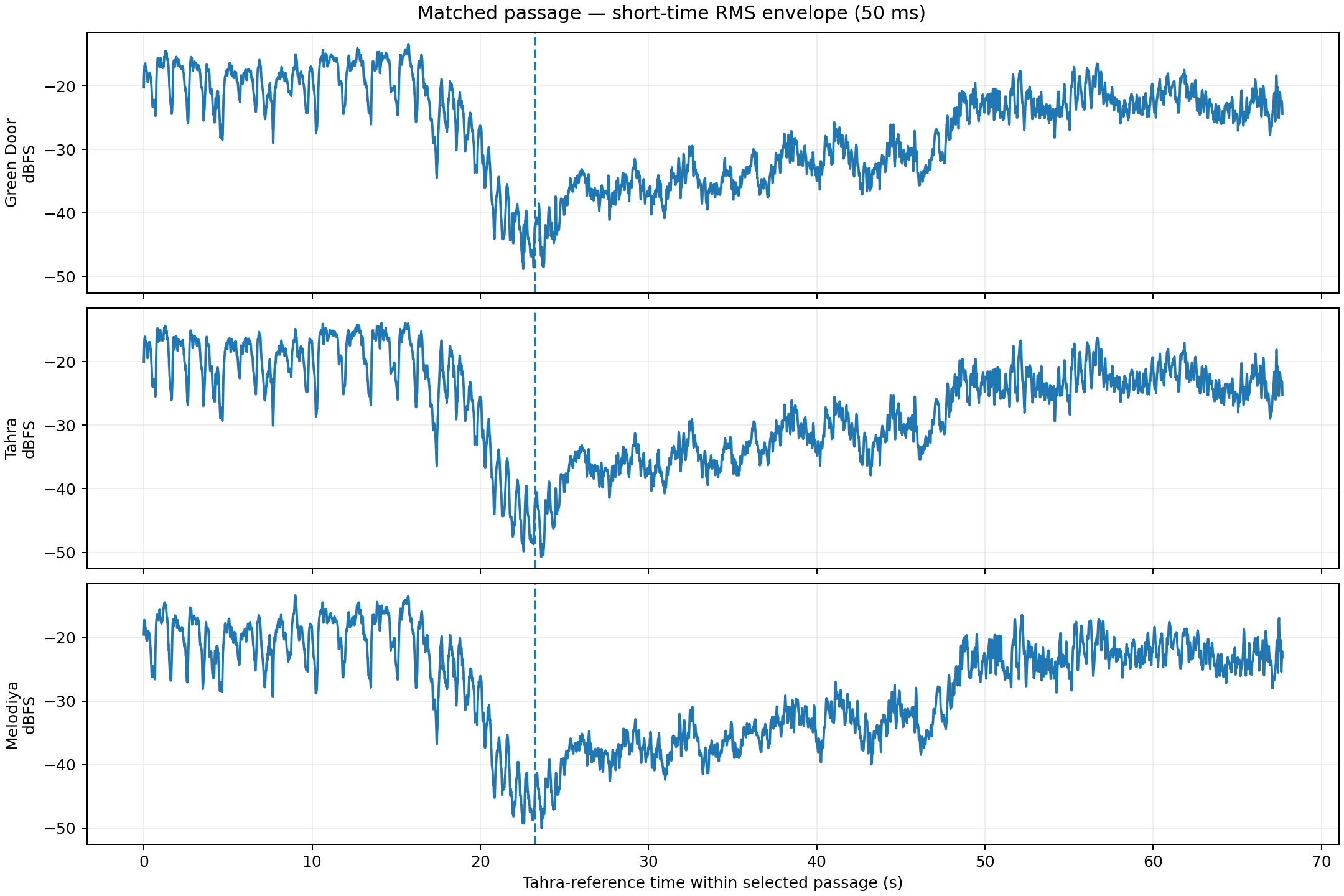
The performance itself already has Furtwängler's unmistakable rubato. The first movement lasts about fifteen minutes, but the pulse is never mechanical: broad rubato, sudden accelerations and carefully shaped slow-downs are part of the interpretation. Harry Halbreich describes the result as both tightly built and powerfully driven.
A later copy can change the overall speed of the recording. It cannot create all of those local changes of tempo. Those belong to the performance.
02 · 1953 · URANIA URLP 7095
Then the tape became a commercial LP.
In 1953 the American label Urania released the 1944 Eroica as URLP 7095. Tahra's booklet says that this release was made without Furtwängler's authorization.
This is the first big change in the chain: a concert recorded on tape had now become a record that people could buy, play on different equipment and copy again. The Urania disc therefore carried not only the performance, but also the sound of that particular transfer and playback history.
03 · 1957 · THE COURT CASE
Permission to record was not permission to press records.
Furtwängler had agreed to the making of magnetic recordings of his performances. The dispute was whether that permission also allowed someone else to manufacture and sell records from those tapes.
The French case ended in Furtwängler's favour in 1957. In simple terms, the court accepted that permission for one use of a performance did not automatically give permission for another. That is why the Urania LP matters here as more than a collector's curiosity: it is a separate object with its own legal and technical history.
04 · LATER COPIES · THE PITCH PROBLEM
The famous “E-major Eroica” was not necessarily born on the LP.
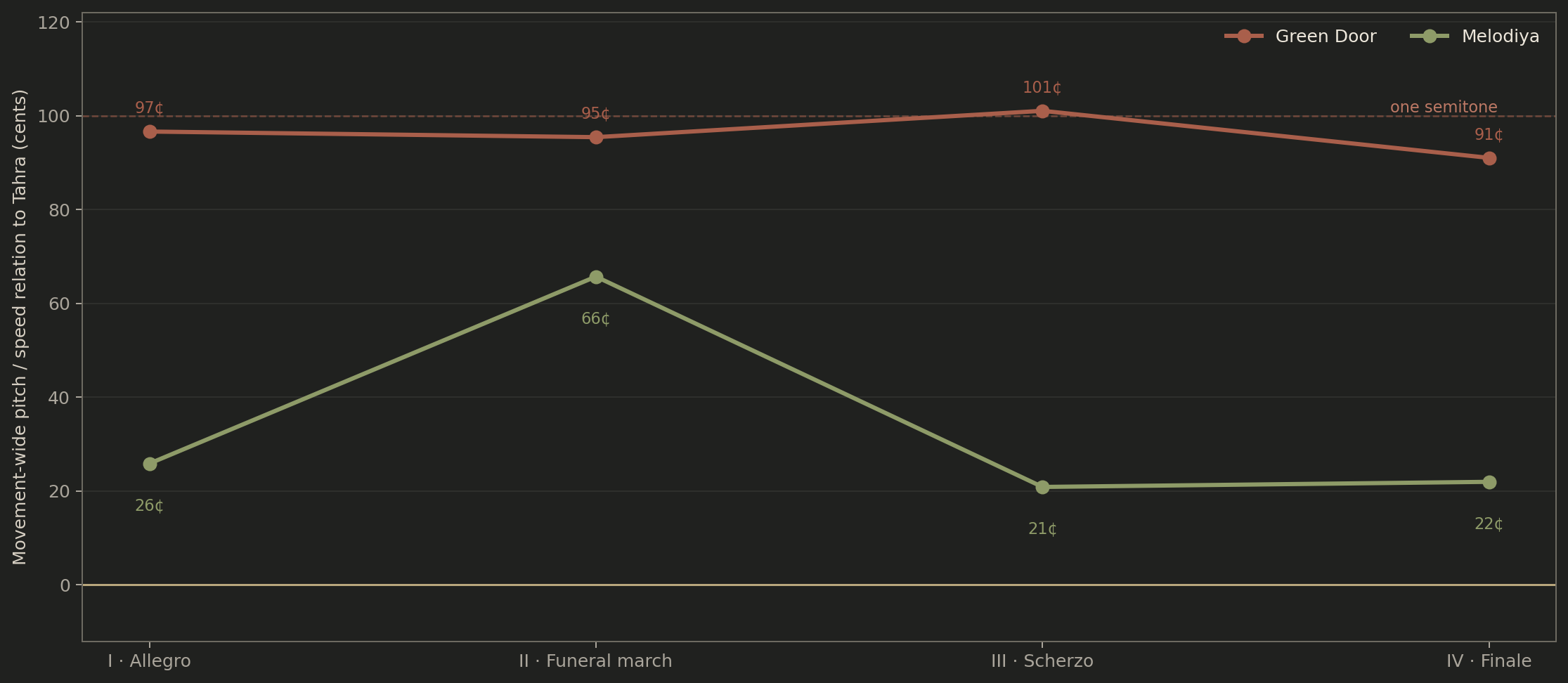
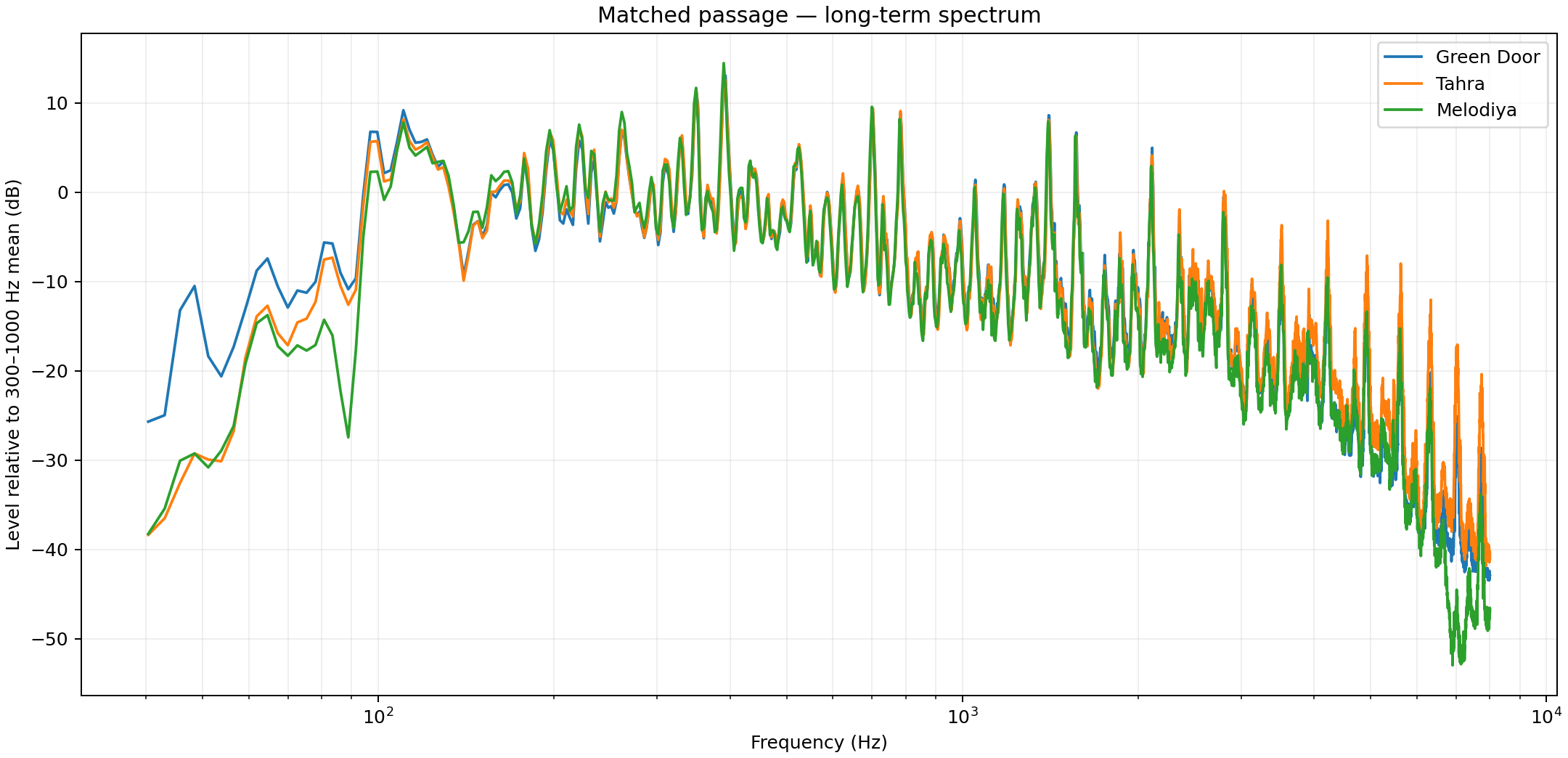
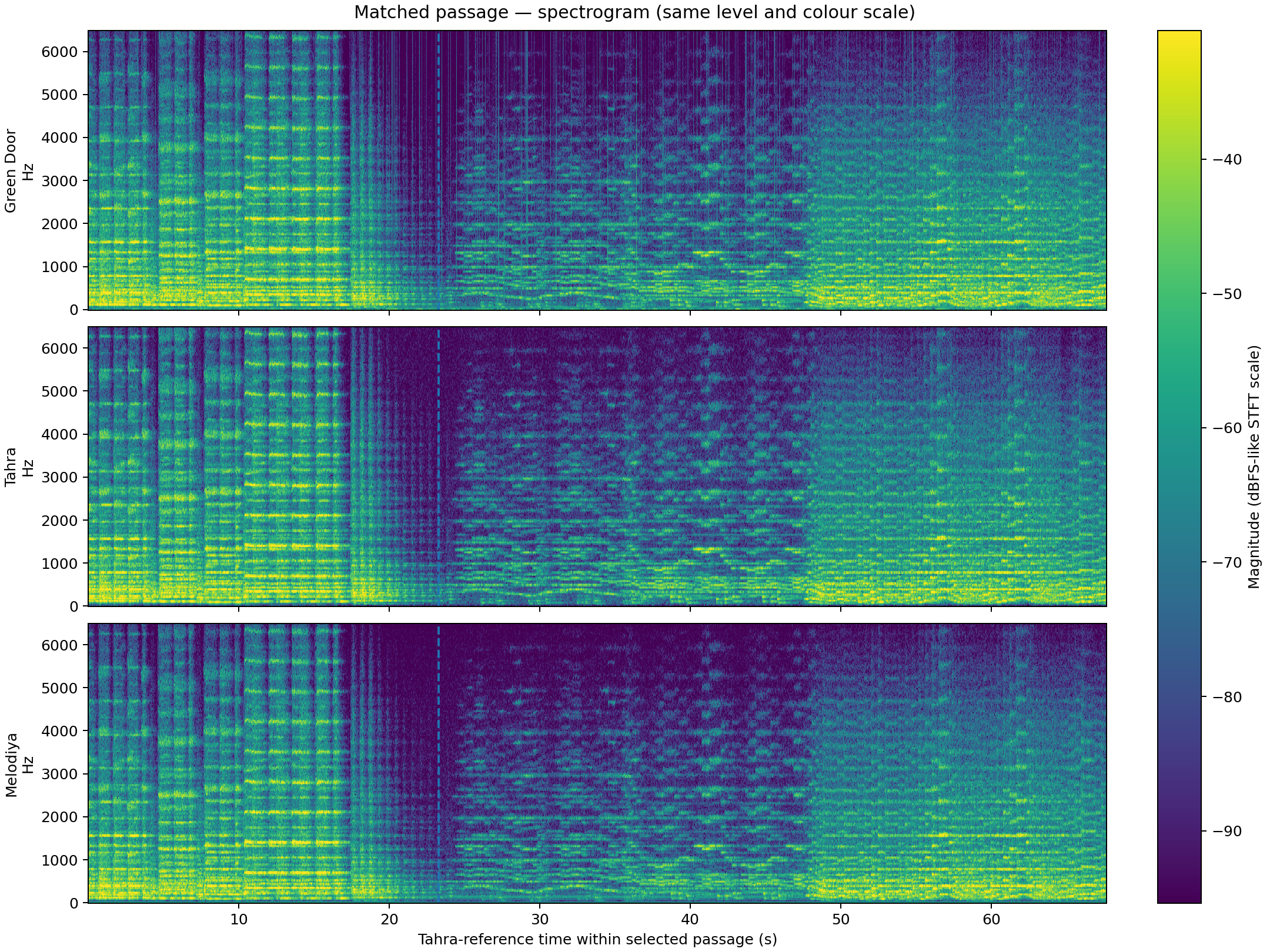
By 1970 the Urania / Turnabout version was already known for playing about a semitone too high. Our Green Door transfer, which follows that Urania-family branch, measures about +97 cents relative to Tahra's corrected first movement.
But Tahra adds an important complication: the DRA tape copy used for its own edition was also at the wrong pitch, with a total timing of 50:27, before Tahra corrected it. So the speed problem may have entered the chain before the Urania LP was cut.
What we still do not know: exactly where the wrong speed first appeared. The documents, collector reports and the signals let us narrow the story, but not place the error at one single step with certainty.